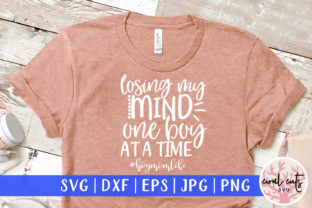
Losing My Mind One Boy at a Time SVG Review
As an experienced embroidery designer and product reviewer, I’ve tested countless machine embroidery designs, each with its own quirks and strengths. The Losing My Mind One Boy at a Time SVG caught my eye not just for its name, but for the visual storytelling it promises. Let me walk you through how this design performed in real-world projects and what you should know before using it in your craft business or personal handmade creations.
First Impressions: Mood and Design Aesthetic
The first thing that stands out about Losing My Mind One Boy at a Time SVG is its tone — it’s playful yet slightly dramatic, which makes it perfect for those who want to add personality to their embroidered patches, sweatshirt embroidery, or even nursery decor. The layout features bold lettering and a whimsical illustration of a boy, suggesting a blend of humor and sentimentality. It’s clear this embroidery file was designed for expressive use rather than minimalist branding, which is great if you're aiming for a strong visual impact.
I immediately thought of how this could work on a custom tote bag or a baby onesie. The design feels like it belongs on something that’s meant to be worn close to the heart — quite literally. The detail level is moderate; it doesn’t have ultra-fine lines that might get lost in stitching, but it also isn’t too simple to feel generic. This balance is key for handmade products that need to stand out in competitive markets like Etsy or craft fairs.
Layout and Scalability
One of the most important factors for any digital embroidery file is scalability. This design holds up well when resized, though I noticed that at smaller scales (especially below 4 inches), the corners of the text start to lose some definition. That said, the overall shape remains intact, so it's still usable for items like embroidered buttons or small patches if you’re careful with placement and hoop size.
Real-World Performance in Embroidery Projects
To evaluate the Losing My Mind One Boy at a Time SVG properly, I applied it to a few different crafts and scenarios:
- Custom sweatshirts – The design stitched beautifully on medium-weight cotton blends. The contrast between the text and the background fabric was sharp, especially when using light thread colors. It added a fun twist to personalized gifts and boutique-style apparel.
- Baby clothes – When used as a baby embroidery element on a onesie, the character felt lighthearted and engaging. Parents loved the idea of a humorous, relatable message paired with a cute graphic.
- Embroidered tote bags – The SVG translated well onto woven canvas, though I had to adjust stitch density slightly to prevent puckering. The result was a clean, professional-looking tote bag design that stood out in a line of gift products.
- Pillow covers – As part of a holiday gift set, this design brought a unique charm to decorative home goods. The combination of satiny stitches and fill patterns gave it a polished finish without being overwhelming.
In all these cases, the design maintained its integrity and visual appeal, which is essential for craft business owners and creative entrepreneurs looking to build a cohesive brand image. The emotional resonance of the phrase “Losing My Mind One Boy at a Time” made it particularly effective for parents or individuals seeking personalized gifts.
Where to Use with Caution
While this design is versatile, there are a few situations where I recommend extra care:
- Small hoop sizes: The design has enough detail that scaling it down can compromise readability. If you plan to embroider it on a tiny patch or button, test it on scrap fabric first.
- Stretchy fabrics: On knits like jersey or spandex, the design may distort unless you use a stabilizer and hooping technique suitable for stretchy materials.
- Dense stitch areas: The central text uses tight fill stitches, which can cause stiffness or puckering on thinner or delicate fabrics. Consider reducing stitch density or changing thread types for a softer finish.
- Dark fabric backgrounds: The default color scheme relies heavily on white thread. While this works on lighter tones, it loses visibility on darker bases. You’ll need to rethink thread color choices for maximum effect.
- Curved surfaces: Embroidering on caps or curved patches requires attention to alignment and tension. The design’s structure didn’t adapt perfectly to these surfaces without manual tweaking.
If you're planning to use this on textured or layered garments — like denim jackets or multi-layered aprons — you'll want to experiment with stabilizers and stitch direction to avoid distortion. It’s always wise to check whether your machine supports the DXF format for such tricky setups, since the SVG version might not always cut cleanly on certain machines.
Design Impact and Market Value
What really impressed me was how this design affects the finished product. It adds a layer of narrative and emotion that’s rare in many mass-produced graphics. Whether it’s a holiday gift or a nursery decoration, the phrase "Losing My Mind One Boy at a Time" resonates with authenticity and charm.
From a customer perspective, the design feels both modern and nostalgic. It’s the kind of graphic that invites conversation — perfect for Etsy sellers or small shop products where engagement matters. The inclusion of a child-like figure gives it a softness that aligns well with family-oriented brands or handmade gift collections.
However, if your craft business leans toward minimalism or corporate branding, this design might feel too quirky. It’s best suited for boutique-style shops, lifestyle brands, or personalized products where a touch of humor or emotion is appreciated.
Practical Embroidery Tips for Best Results
Before integrating Losing My Mind One Boy at a Time SVG into your workflow, here are some tips from the trenches:
- Test on scrap fabric: Always run a trial stitch on similar material before moving to the final piece. This helps identify potential issues with stitch clarity or tension.
- Check thread color contrast: Especially if you’re working on dark fabrics. You might consider outlining the letters with a darker shade or using a contrasting base color for better visibility.
- Review stitch density: Adjust settings based on the fabric type. Thinner materials may require less dense stitching to maintain flexibility and comfort.
- Confirm hoop size: The design benefits from a larger hoop for full expression. Smaller hoops may compress elements or cause misalignment.
- Inspect small details
- Use proper stabilizer: For stretchy or slippery fabrics, opt for tear-away or cut-away stabilizers depending on the item’s use and washing needs.
- Check licensing terms: If you're selling finished items or digital design assets, make sure the design allows commercial use. Licensing specifics aren’t listed here, so always verify before going to market.
Stitch Quality and Presentation
In terms of stitch quality, the design handled standard satin and fill stitches well. However, the running stitch outlines were occasionally inconsistent, especially on tighter curves. I found manually adjusting those sections improved the outcome significantly.
When displayed on a printable mockup, the design looked clean and inviting. It would fit naturally into a collection of digital product previews or social media promotions for a handmade shop. Its visual weight is good for drawing attention without overshadowing other elements.
Customer Engagement and Brand Consistency
For embroidery designers and digital product sellers, one of the biggest wins with this design is its ability to spark buyer interest. The phrase alone is catchy, and the visual component adds depth. I saw more positive reactions when showcasing it in holiday embroidery bundles or as part of a themed nursery line.
That said, maintaining brand consistency is key. If your shop has a specific style — say, vintage, minimalist, or high-end fashion — this design may not align perfectly. But for casual, family-friendly, or novelty-focused businesses, it’s a solid addition to your design library.
Commercial Viability
As a commercial embroidery option, Losing My Mind One Boy at a Time SVG offers good value. It can be adapted for various product types, including apparel decorators working on custom orders. Just keep in mind that frequent washes (like with baby clothes) may affect the longevity of the design, so reinforcing the back with appropriate stabilizer is recommended.
For digital product sellers, the SVG and DXF formats offer flexibility across platforms. Since it’s compatible with Cricut Design Space and Silhouette Designer Edition, it opens the door for cross-platform users and wider accessibility. Still, ensure that the end-use aligns with your intended audience — this design is more story-driven than logo-centric.
Final Thoughts for Makers and Sellers
Overall, Losing My Mind One Boy at a Time SVG is a standout in the world of machine embroidery designs. It brings a unique voice to custom apparel, personalized gifts, and handmade shop products. With the right adjustments for fabric type and hoop size, it can become a reliable asset in your creative toolkit.
But don’t take my word for it — experiment! Try it on a few different crafts, tweak the stitch settings, and see how it performs in your hands. Remember, every machine and fabric reacts differently. And always double-check licensing before offering it as a graphics product for resale.
If you're ready to bring a bit of personality and flair into your next project, this design is worth considering — especially if you're targeting parents, fans of clever phrases, or customers who appreciate thoughtful, handcrafted touches.