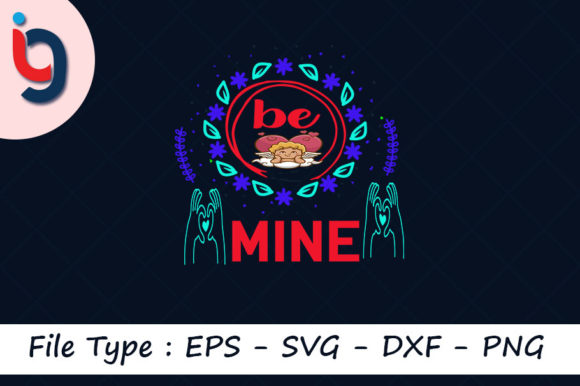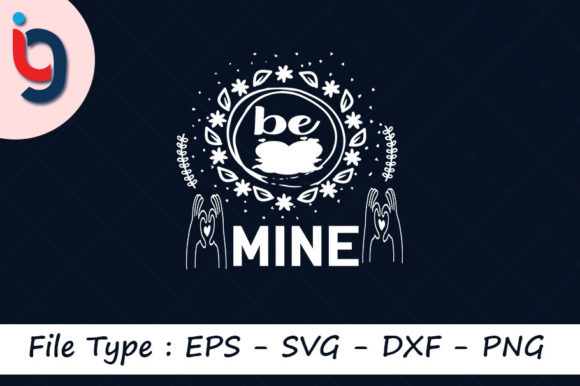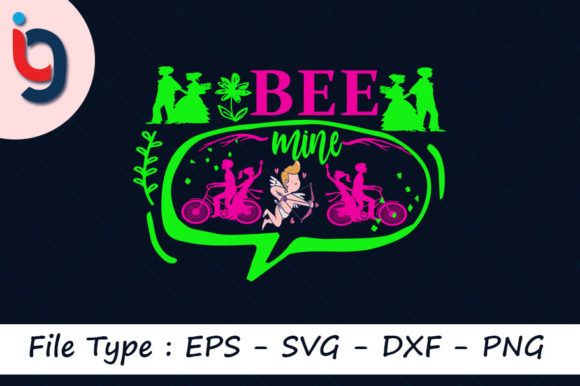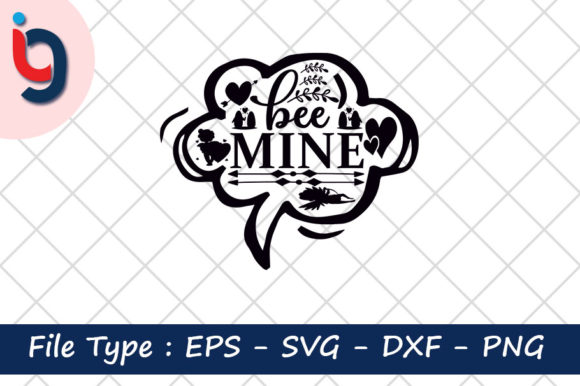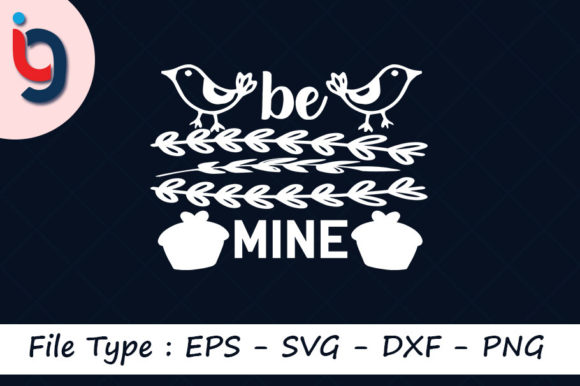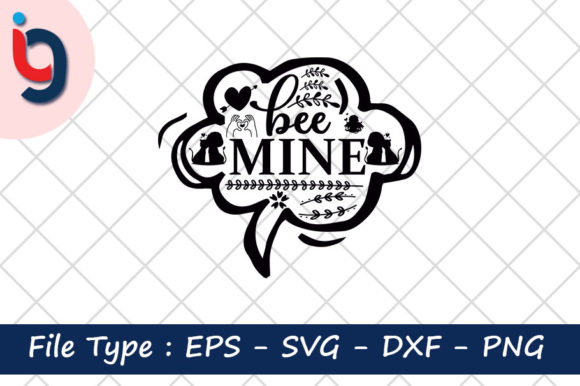
Valentine’s Day Svg Design, Bee Mine: A Heartfelt Embroidery Asset
Real-World Use Cases and Stitching Performance
Custom Apparel: On a cotton-blend sweatshirt, the design stitched cleanly with good coverage from satin stitches around the bee and fill stitches in the heart. The contrast between the thread colors and fabric made it pop, especially when using light-colored threads on a darker base.
Tote Bag Design: Applied to a canvas tote bag, the design maintained its integrity through multiple washes. The stitch density felt right—not too tight, not too loose. It didn’t pucker or distort, which is always a win for everyday-use items.
Baby Clothes and Nursery Decor: When used on a onesie or pillow cover, the design brought a sweet, lighthearted tone. The simplicity of the bee motif made it easy to adapt to smaller areas, but I’d still recommend testing on scrap fabric first to ensure it fits your intended space.
Patches and Aprons: For embroidered patches, the design worked best with a backstitch outline and minimal fill. The PNG preview helped me visualize how it would look once cut away, and I found it to be very clean and professional. On aprons, the stitching held up well after several uses, even when washed frequently.
Holiday Gifts and Boutique Merchandise: This design adds a thoughtful, hand-stitched touch to holiday gifts such as mugs, tea towels, or gift tags. Its subtle romantic vibe also complements wedding gifts or anniversary cards, especially if you’re working with pastel thread palettes.
When to Use with Caution
- Small Hoop Sizes: The bee itself is fairly large, so if you're planning to use this in a tiny hoop, consider resizing carefully. Check stitch counts and spacing to avoid distortion.
- Textured or Stretchy Fabrics: Dense stitch areas might struggle on stretchy materials or thick textiles like denim. You may need to adjust stitch density or add stabilizer underneath.
- Dark Fabric Backgrounds: Thread color visibility can be tricky on black or dark red fabrics. Test with white or cream-colored thread to ensure the design remains legible and attractive.
- Curved Surfaces: Using this on curved surfaces like caps or sleeves requires some manual tweaking. The corners of the text and the bee’s body can shift if not properly adjusted for curvature.
- Frequent Washing: Although the design holds up reasonably well, it's best suited for items that aren’t subjected to constant wear and tear unless you reinforce the stitches with a quality backing.
Designer Tips for Real Projects
- Test on Scrap Fabric: Always run a trial stitch on similar material to the one you’ll be using for the final product.
- Check Thread Color Contrast: Especially important for dark backgrounds or commercial embroidery. Don’t rely solely on the default colors; experiment!
- Review Stitch Density: If you’re using it on thin or stretchy fabric, loosen the fill slightly to prevent puckering.
- Confirm Hoop Size: While not specified in the product description, make sure your hoop accommodates the full design, including any outlines or borders.
- Inspect Small Details: Look at the bee’s face and the text closely. Resizing too much can cause loss of definition.
- Use Proper Stabilizer: Especially for delicate fabrics or dense stitch areas. A tear-away or cut-away stabilizer can make all the difference.
- Check Licensing Before Selling: Since this is a graphics-based product, confirm whether the license allows for resale of finished items or digital downloads. This is crucial for Etsy sellers and commercial embroidery work.